

Reuse: better than single-use on every measure.
Single-use packaging has become embedded in everyday life but it comes with alarming costs – on human health, the environment, resource extraction, and financial costs to municipalities, businesses, and individuals.
In contrast, well-designed reuse systems are safe, use less natural resources, and impose a lower total financial cost across the value chain, while also being easy and appealing for users.

Harms of the current linear system.
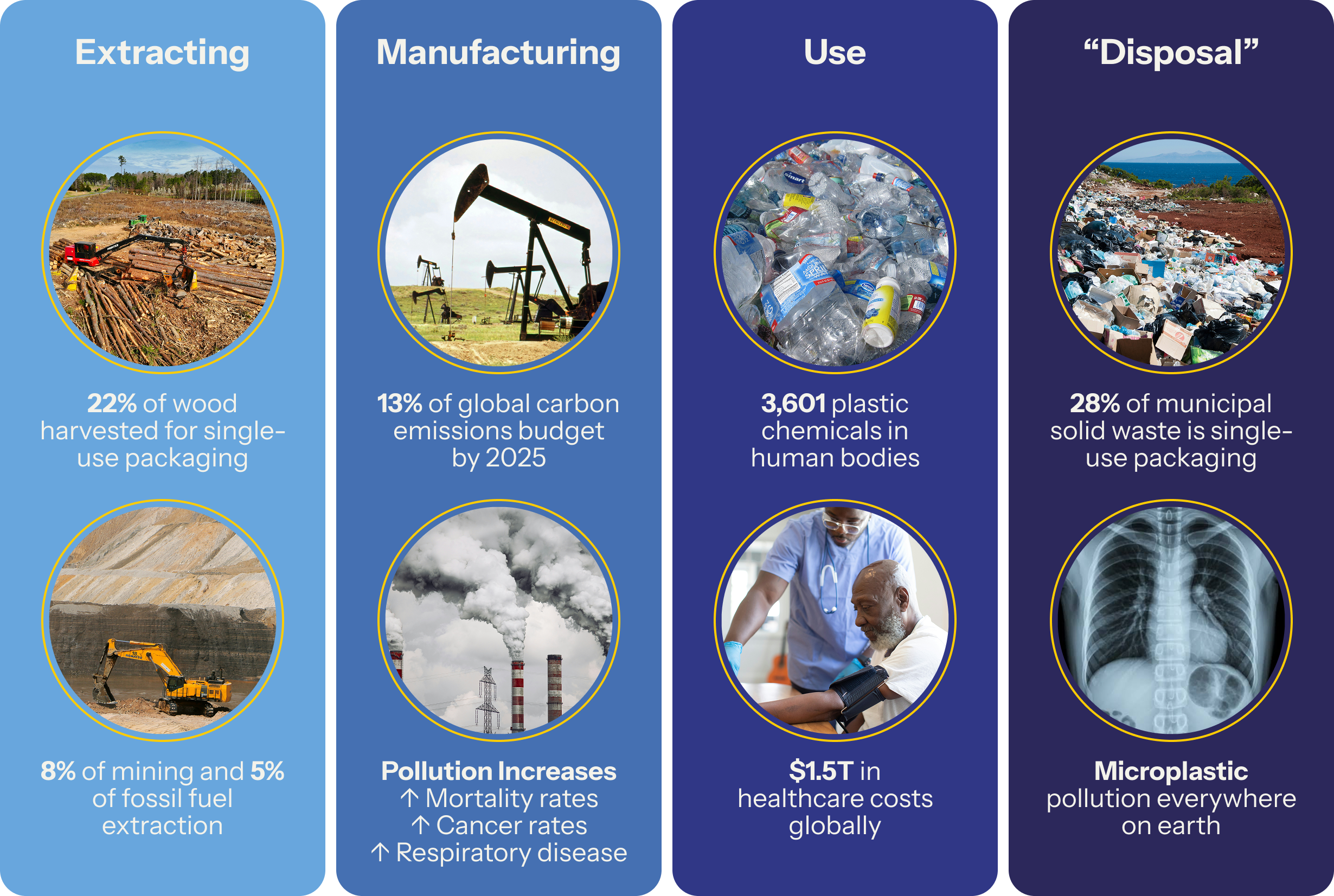
Single-use packaging has damaging impacts on communities at every stage of its lifecycle—from extraction and manufacturing to use and disposal.
Less bad, more good.
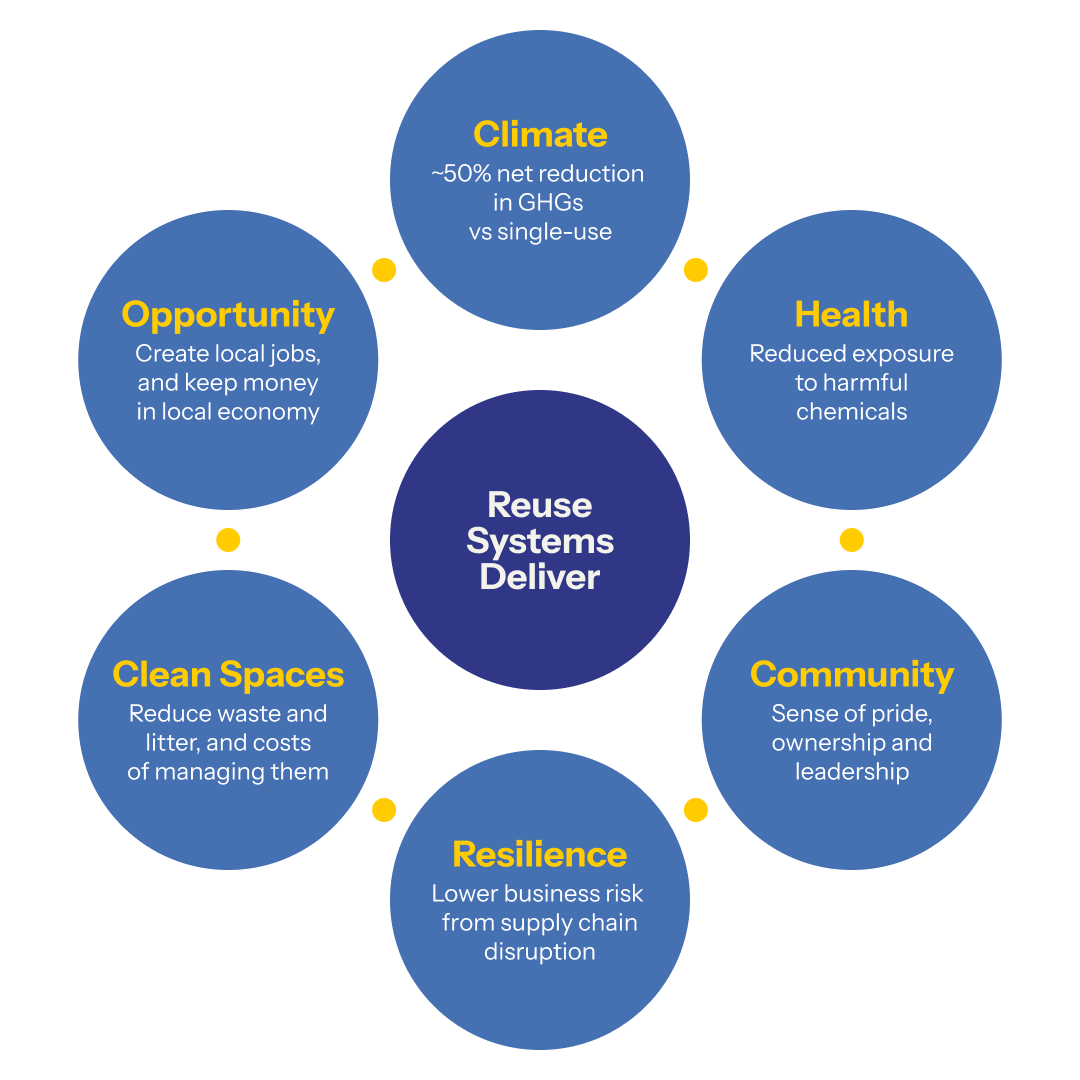
Life cycle analyses show that reuse systems at scale use less water and energy compared to single-use items, generate less waste and pollution, and have lower GHG emissions. Reuse systems also generate jobs, enable resilience to supply chain disruptions, support local economic revitalization, and can reduce health risks associated with single-use food packaging.


Rethinking packaging: from product to service.
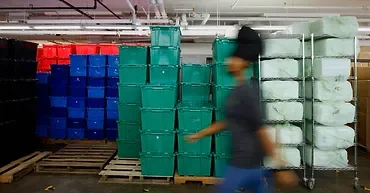
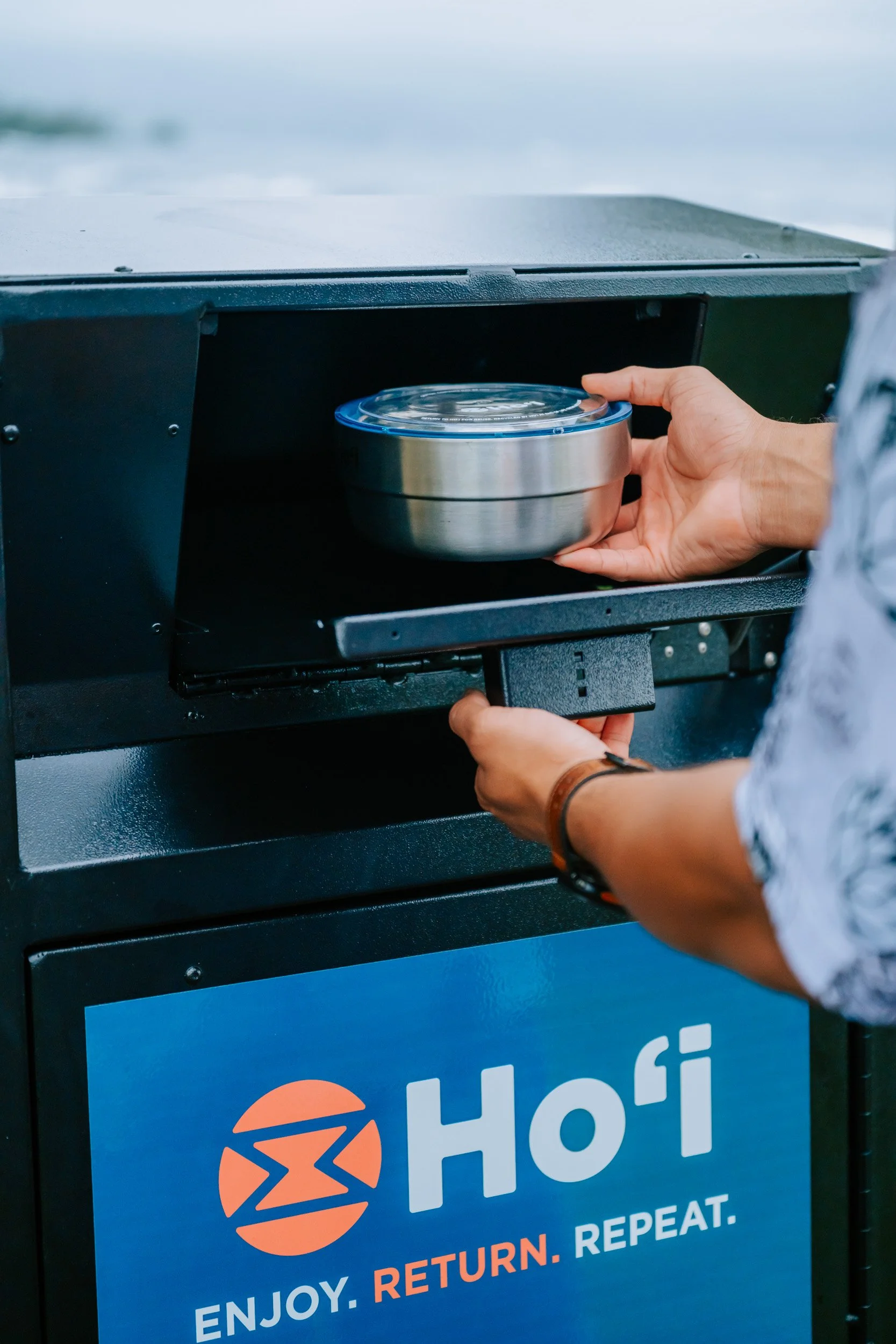
Reuse systems use pooled assets and supporting infrastructure to allow durable packaging to circulate continuously. This enables producers to deliver product to customers without generating packaging waste or even buying packaging.
Reuse systems work for foodware, primary packaging including beverage bottles, and secondary (transport) packaging, and can even support refill systems.

Reuse by the numbers:
50%
Net reduction in lifecycle greenhouse gas emissions compared to single-use systems.
Rights
Reuse and refill actively support the human right to a clean, healthy, and sustainable environment.
1.4M Jobs
Shifting 30% of current single-use plastic flows to reuse models
instead is estimated to create 1.4 million jobs globally by 2040.
$5.1B
In the U.S., transitioning from disposable food packaging
to reusable alternatives could save businesses and city governments
an estimated $5.1 billionin solid waste management costs.
$10B
Converting 20% of global disposable plastic packaging into reusable packaging is a USD $10 billion opportunity.
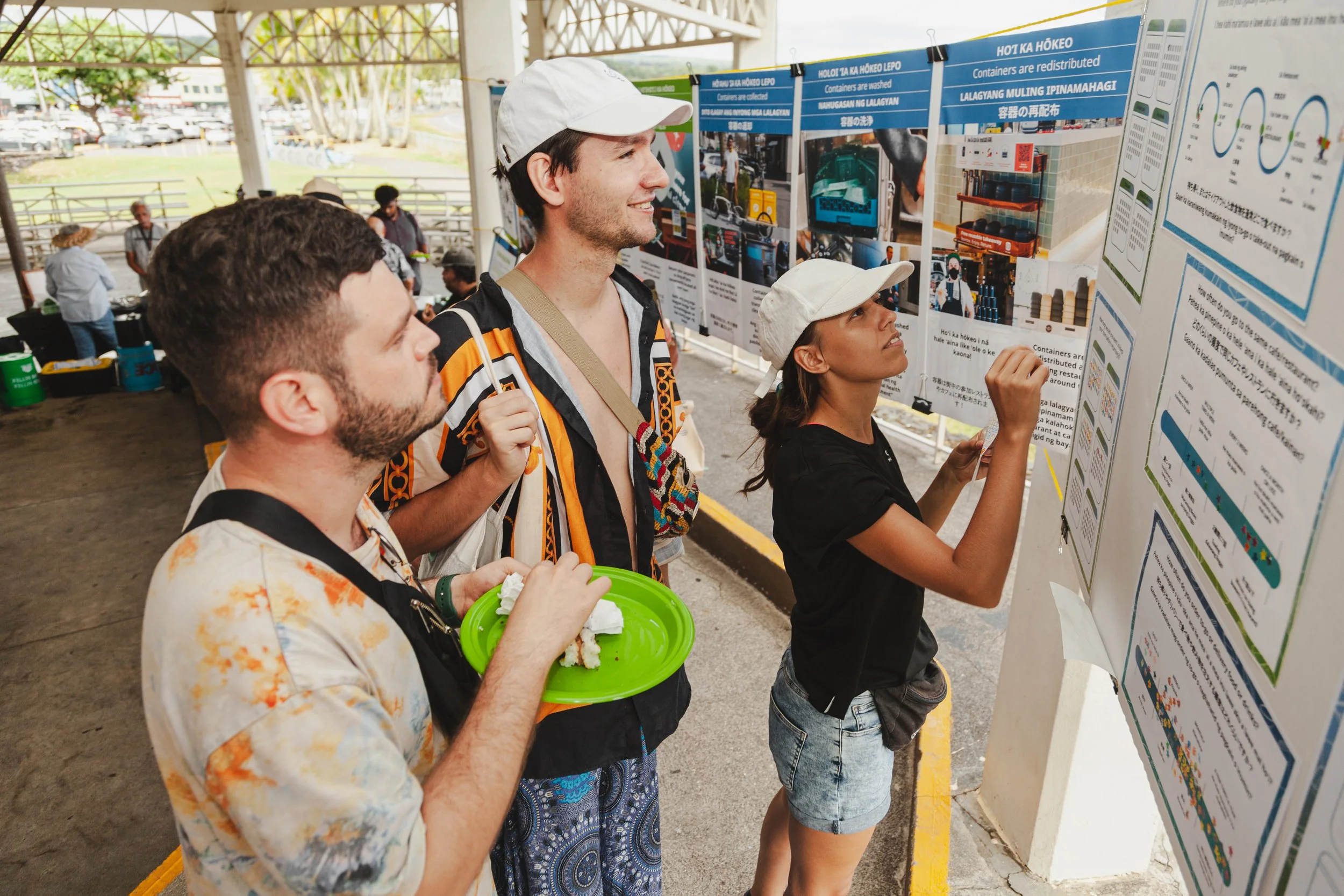
Combining technical insights with community context.
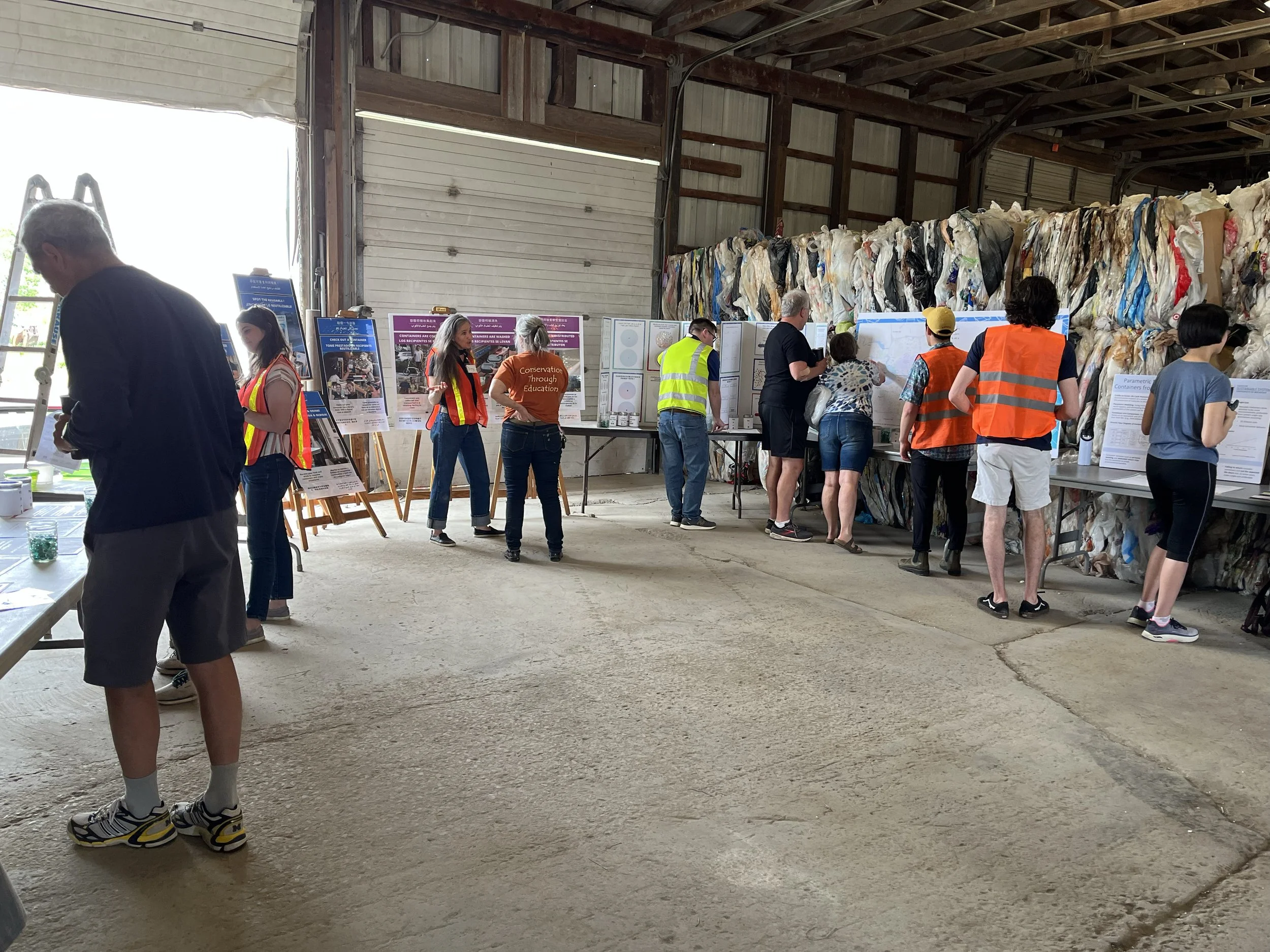
Effective reuse systems must be designed collaboratively, tested within the community, and refined over time. Perpetual’s process combines technical system design with deep community and business engagement to create systems that are practical, equitable, and resilient.
-
Attractive and easy to participate for both businesses and community members through convenient checkout, return, and redistribution.
-
A network of publicly accessible return points, washing facilities, inventory management systems, and reusable items themselves (either pooled or not).
-
Highly efficient circulation of items - collection, washing, inspection, and redistribution - enables items to be used many times while keeping per use resource usage—and cost—low.
-
Reuse systems work best when they are created with the community, including businesses, municipalities, residents, and local organizations, and are grounded in local culture and priorities.
-
Governance defines roles and responsibilities across all system actors. Depending on the scope of the system, governance can be as simple as a contract between businesses or as comprehensive as a municipal service area.
-
Unit economics need to be affordable for businesses while sufficient to support the reuse service operations. This requires efficiency and strategic pricing.
Building Proof
We are demonstrating how immersive reuse systems can be designed to reflect different geographies, community needs, and operational conditions.
Reuse Advisory
Perpetual supports partners with systems strategy, governance design, stakeholder engagement, implementation planning, and research, data collection and analysis, helping bridge the gap between ambition and operational reality.
Insights & Resources
Perpetual’s mission is to accelerate the adoption of reuse—and what better way to do that than equip the global reuse community with publicly accessible tools, guidance, and implementation resources.